Human Epoch: Mapping Heritage
Researcher · Jan 2024 - May 2024
The Basics
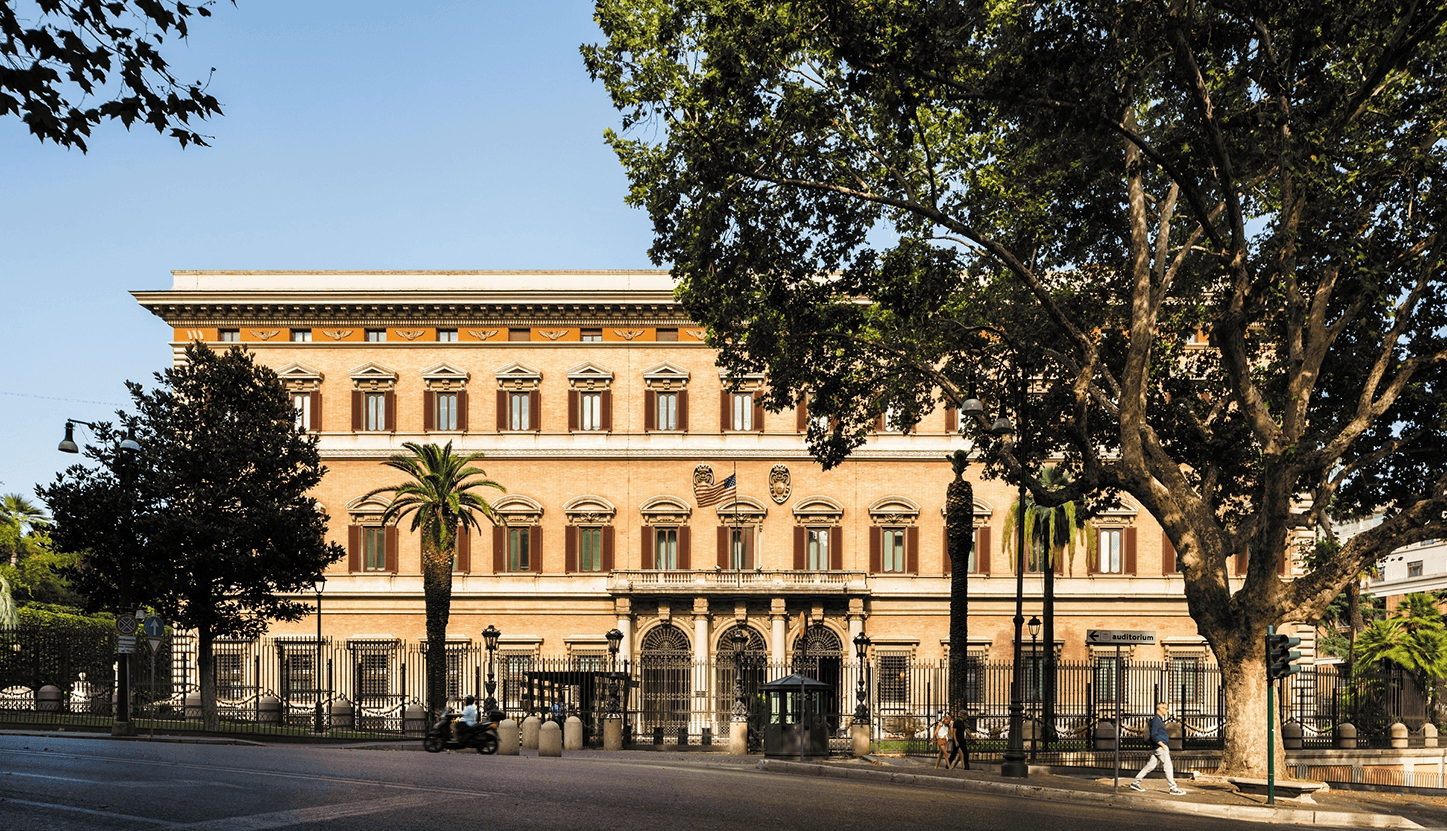
A group of 9 Purdue students in the John Martinson Honors College collaborated on a U.S. Department of State project focused on the U.S. Chancery in Rome, from January to May 2024. We worked primarily from documents held by UNESCO and the U.S. Department of State, with guidance from staff at the facility.
My role
- Secondary research
- Webpage wireframing
- Content creation
- Presenter
Research outcomes
- An interactive ArcGIS StoryMap
- A Diplomacy Lab presentation in Washington, D.C.
The Project
The U.S. Department of State’s Diplomacy Lab engages students and faculty across the country to research foreign policy topics chosen by the State Department, then brings their perspectives back to inform policymakers. Our team researched the U.S. Chancery in Rome, a chancery being the building that houses a diplomatic mission in its host country, housed within the World Heritage Site of the Historic Centre of Rome, and its designation and role as a UNESCO World Heritage property. We divided the work into an introduction, historical background, an architectural timeline, contemporary significance, and the heritage legislation governing the facility today.
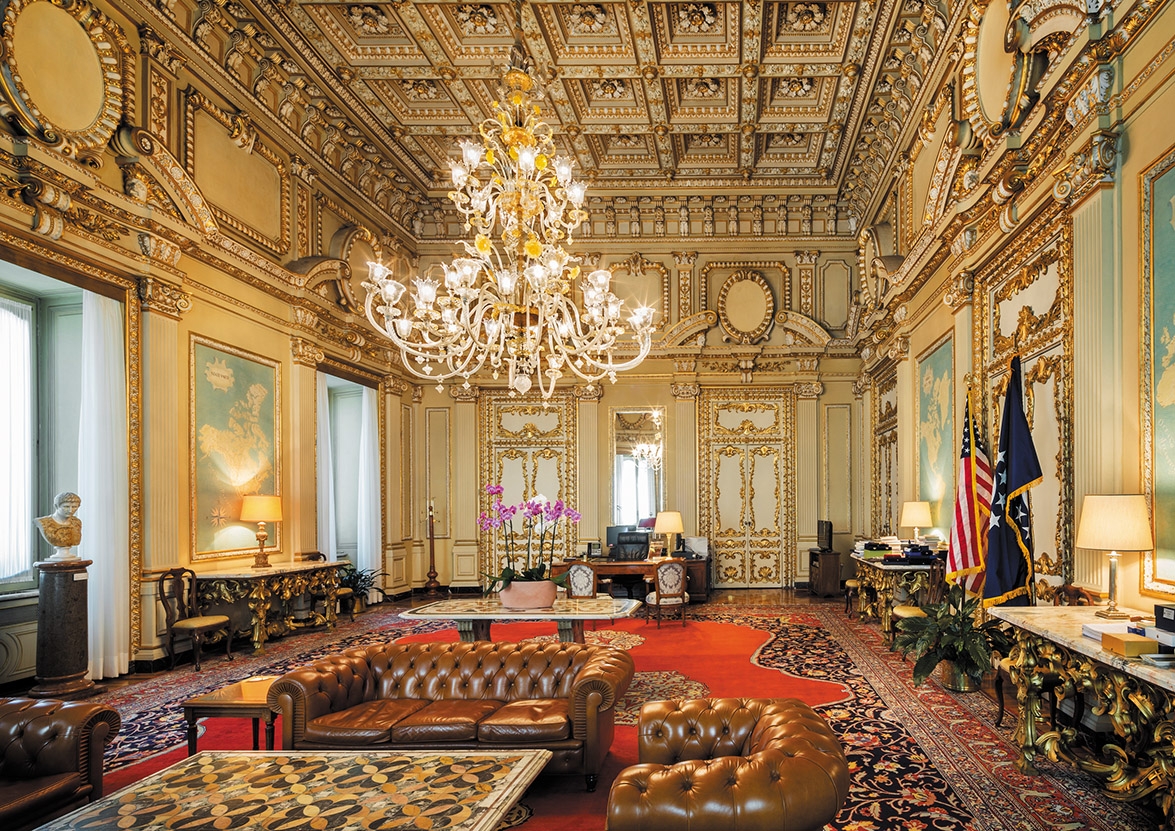
My primary contribution was the architectural timeline, tracing the building’s evolution from a private palace to a U.S. government building and researching the history of specific rooms within it. I also contributed research to the contemporary context section.
The Presentation
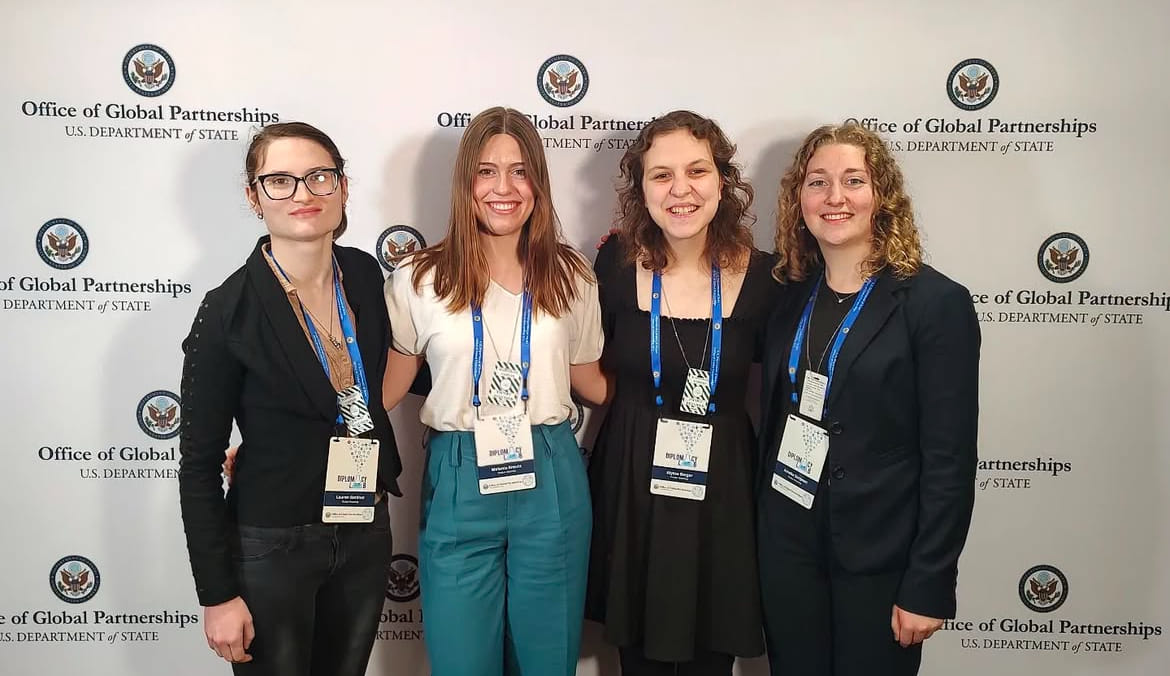
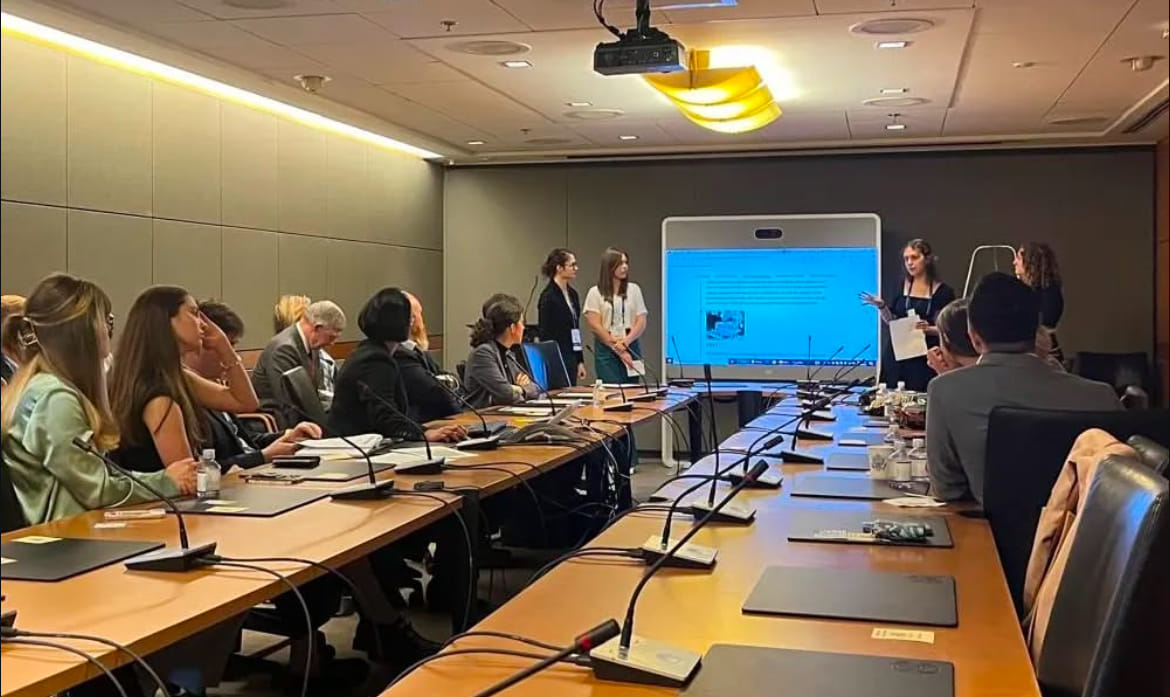
Sponsored by Purdue’s Public Policy Research Institute, I presented our StoryMap alongside three peers at the U.S. Department of State’s Diplomacy Lab Fair in Washington, D.C., the first Fair held since the COVID-19 shutdown in 2020.
Looking Back
This was my first opportunity to research under individual faculty in the Honors College, and it pushed me well outside my usual UX design and research work. Presenting in Washington alongside students ranging from undergraduates to PhD candidates was intimidating at first, but it turned into one of the more empowering experiences of my time at Purdue, and it reinforced how much I care about shedding light on topics that don’t usually get much attention.