
Microsoft Support Audience Expansion
UX Researcher · Jan 2024 - May 2024
The Basics
A group of 10 UX Design students with varied experience collaborated on a UX research project for Microsoft’s self-help sector, from January to May 2024, with continuation projects in following semesters. We worked with a Principal CX Manager, a Senior UX Researcher, a Social Media Team Lead, and a University Research Manager from Microsoft.
My role
- Understanding user interactions and expectations
- Identifying pain points and friction
- Generating actionable design recommendations
- Evaluating impact on user satisfaction and engagement
The Problem
Microsoft’s user feedback and engagement metrics revealed a gap in its self-help resources, particularly for Millennial and Gen Z users, who often found the existing support platforms overly complex or misaligned with their expectations for quick, seamless digital support. That disconnect risked long-term loyalty right as this demographic was becoming Microsoft’s dominant consumer segment.
What We Found
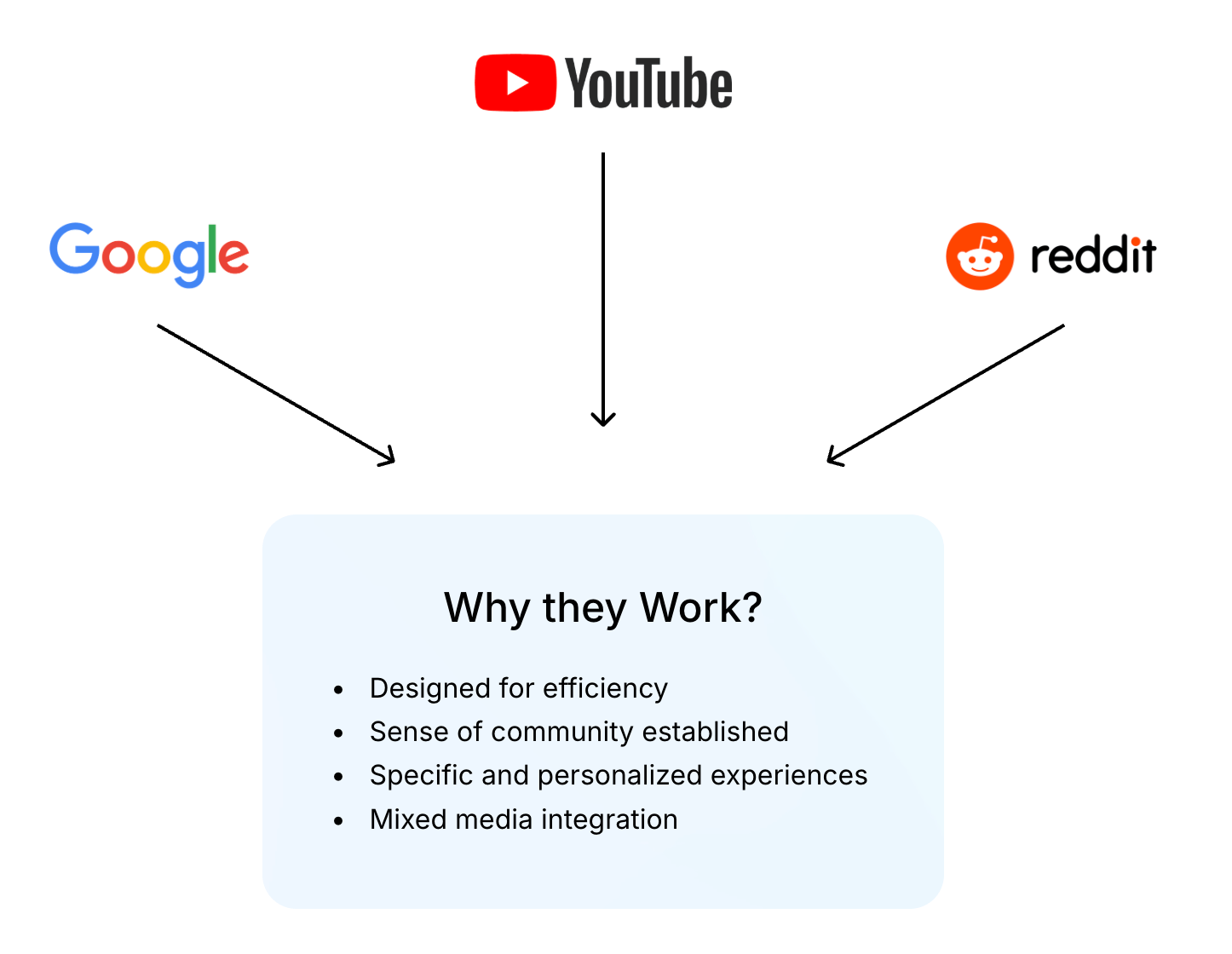
We found this “DIY generation” to be tech-savvy, skeptical of new technology and brand marketing, skilled at self-troubleshooting, and quick to try a competitor if it offered a better experience. They value authenticity, personalization, and efficiency, and in interviews they told us they trusted forum-based answers on places like Reddit more than official help articles, and that they’d usually start with a general search engine rather than going directly to a Microsoft support site.
What We Recommended
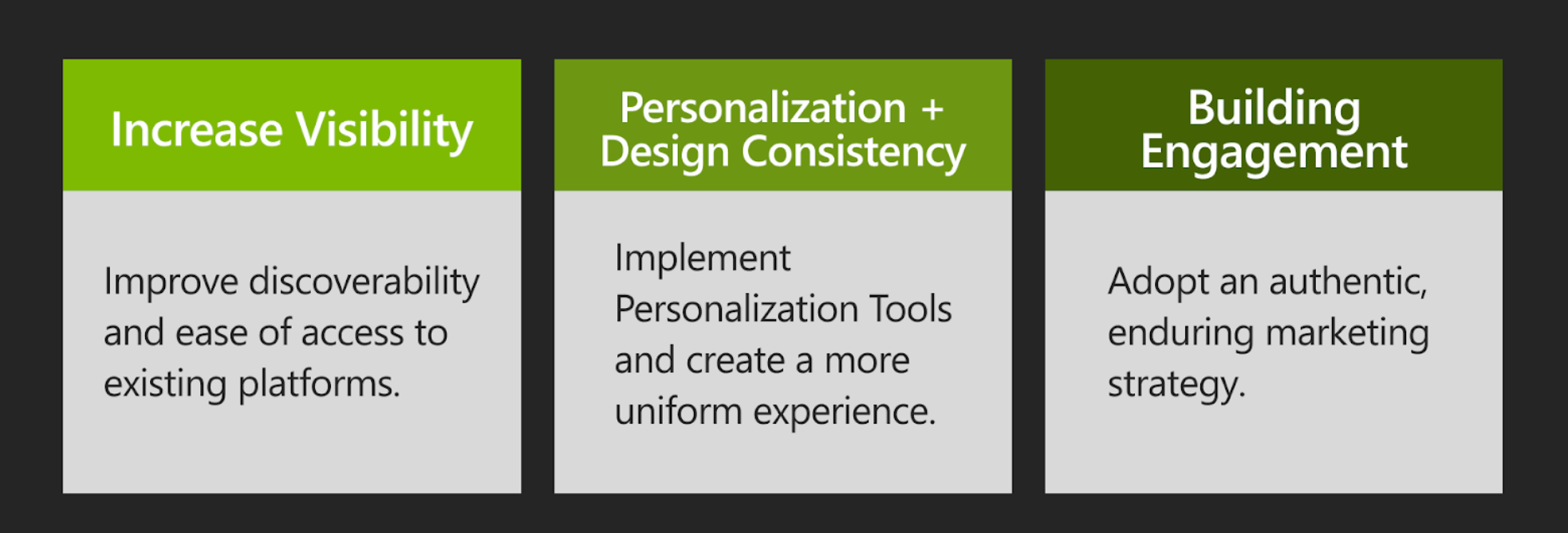
We recommended Microsoft simplify navigation and tailor content to the moment users are in, since most users land on Microsoft’s self-help platforms organically through a search engine. That means treating the first article or community post someone finds as a first impression, offering a clear path to additional support when it doesn’t resolve their issue, and preserving what already works for existing users while adapting for a younger audience.
Looking Back
This was my first sponsored research experience, and it was rewarding to see classroom concepts translate into something with real impact. It also deepened my appreciation for analyzing specific stages of the user journey, and sharpened my ability to pull out the nuances that make research findings actually actionable.