Naval Observatory Construction Analysis
Researcher · Aug 2024 - Jun 2025
The Basics
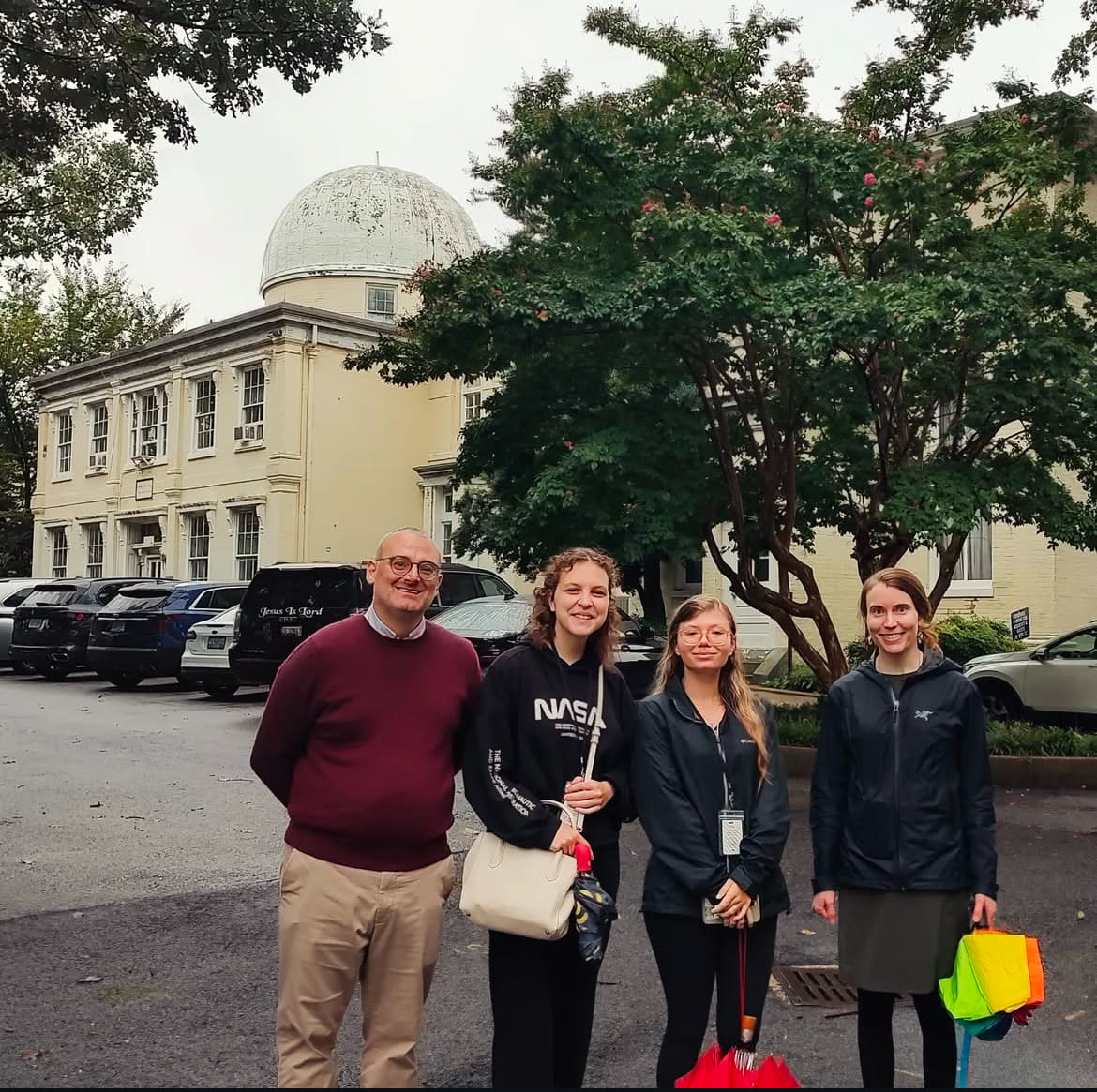
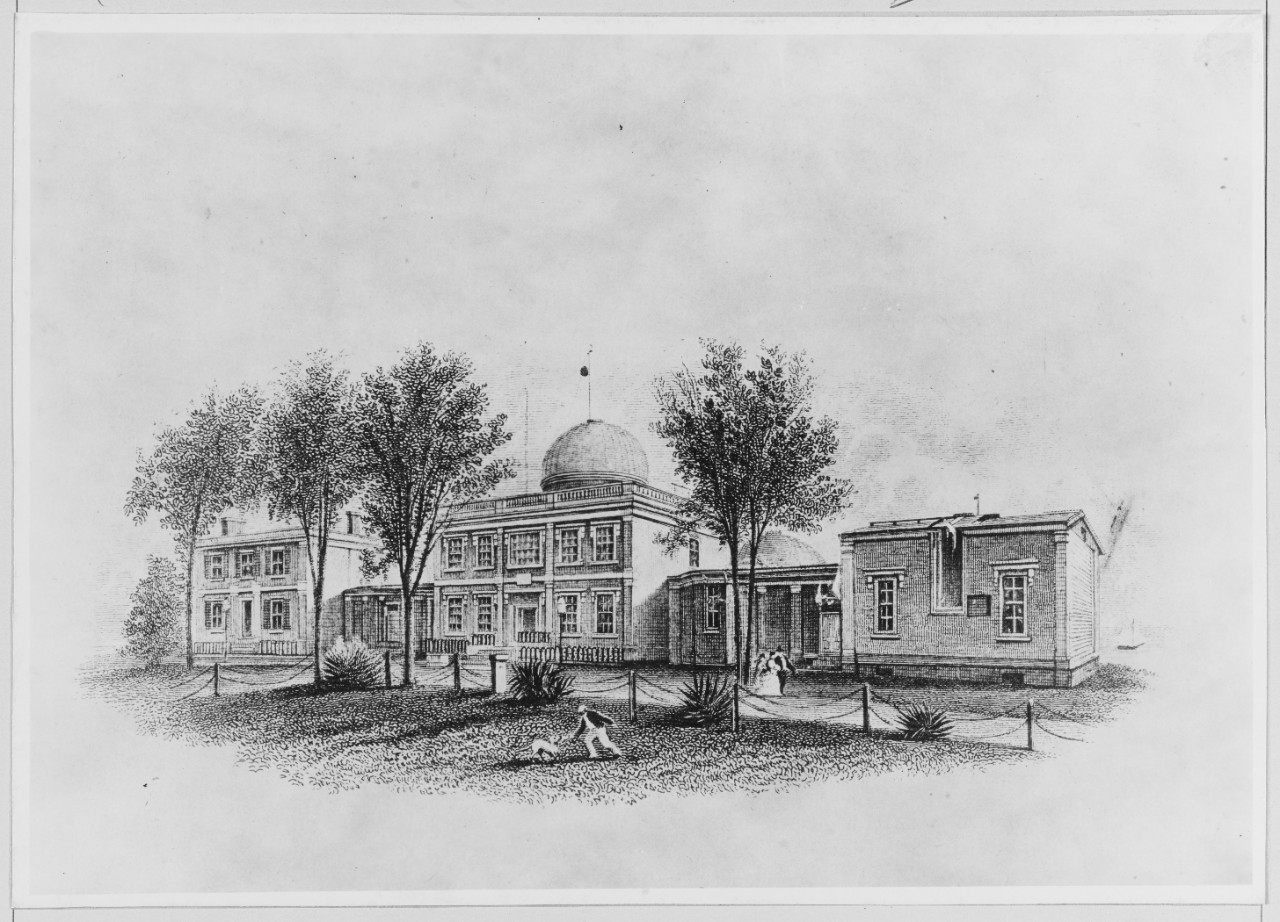
Two Purdue John Martinson Honors College students collaborated on a U.S. Department of State project focused on the Old Naval Observatory in Washington, D.C., from August 2024 through June 2025. We worked primarily from official records held by the National Archives and Library of Congress, and consulted subject matter experts affiliated with the State Department.
My role
- Primary research
- Content creation
- Presenter
Research outcomes
- A published research paper
- A public presentation at Purdue’s Spring Undergraduate Research Conference
The Research
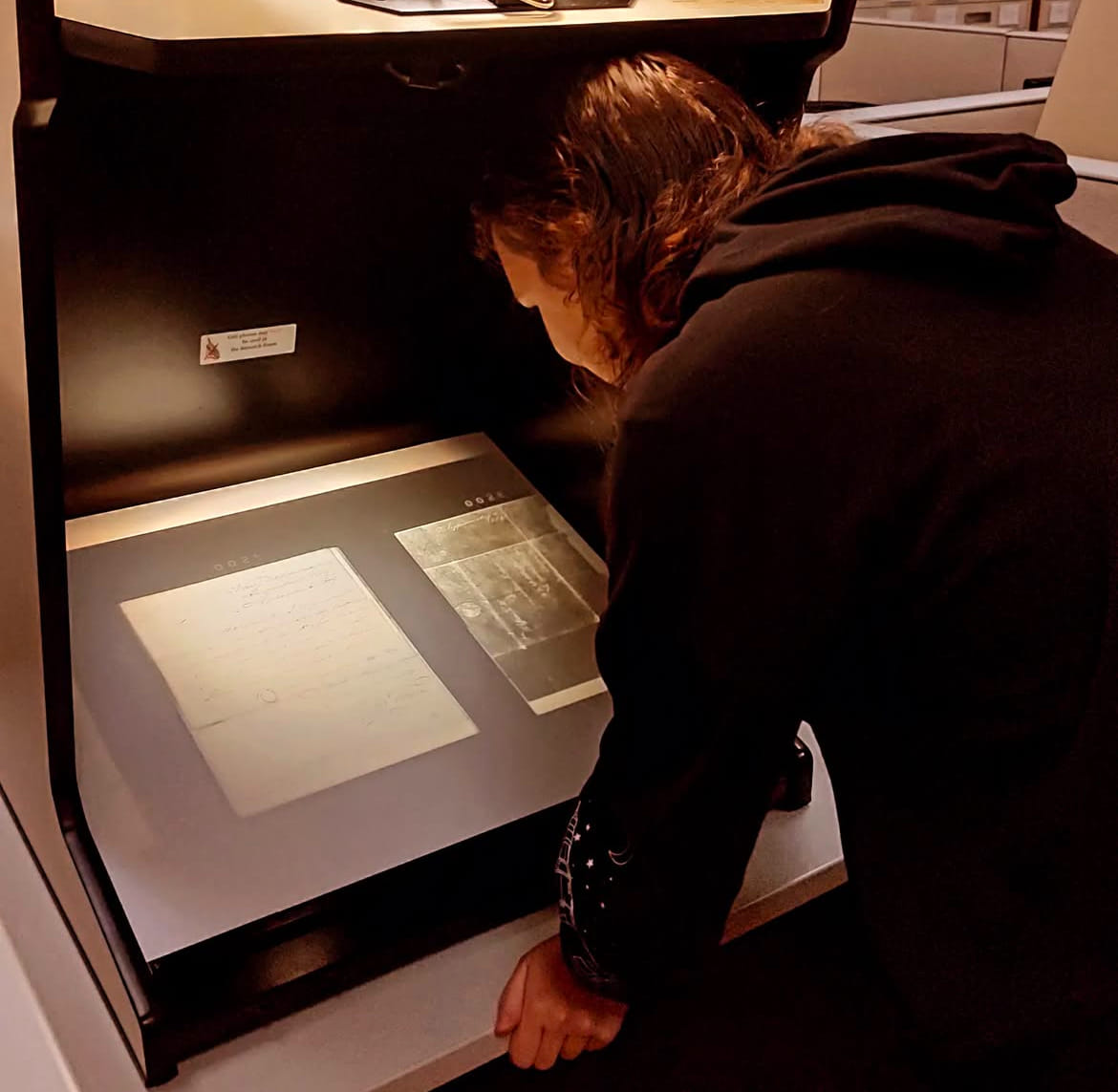
Our goal was to determine whether enslaved people or indentured servants were used in the Observatory’s construction and, if so, to bring that history to public attention. Most of the work centered on a week-long research trip to Washington, D.C., reviewing construction payroll records and correspondence about the Observatory’s oceanographic and astronomical charts. For documents that needed closer study, we photographed and transcribed them, using AI tools to help decipher aged handwriting and faded text.
Midway through the project, the Diplomacy Lab program lost its funding and our partnership with the State Department’s Office of the Historian ended, along with a planned trip to Washington to present our findings. We chose to continue the research anyway, moving the project under Dr. Ashima Krishna’s Urban Matters Lab and shifting our presentation plans to Purdue’s Spring Undergraduate Research Conference.
What We Found
We concluded it’s unlikely that enslaved labor was used in the Observatory’s construction. The Navy’s anti-slavery record, including liberating slave ships, suggests a progressive stance at the time, and while the Observatory’s original superintendent was later tied to the Confederacy, the project itself was led by James Gilliss, driven by scientific ambition and backed by federal funding sufficient to make unpaid labor both unnecessary and undesired. There’s no decisive evidence either way, and we hope this research gives future work on the topic a solid starting point.
Looking Back
The entire trajectory of this project shifted with a single email, and learning to adapt when something that far outside my control changed course was its own lesson. It also pulled me into unfamiliar territory, analyzing primary documents that predate the founding of the United States, which was a meaningful departure from my usual UX design and research work. What started as a way to fulfill an Honors College requirement became a project I ended up genuinely invested in.